
Curacao Bucket List - September 2025 - HATO CAVES — A Time Capsule Under the Coral
- David Hecht
- Sep 20, 2025
- 2 min read

Just minutes north of the airport, an ancient coral reef rises from the cactus plain. Step inside and the island heat falls away; cool air smelling faintly of limestone hits you as you enter while dripstone columns glint in the cave lights. This is Hato Caves, Curaçao’s largest show cave and one of the island’s most layered stories.

Hato is not a volcanic cave but a fossilized, marine coral limestone reef that sat beneath the sea. As Ice-Age seas retreated, the reef was lifted into daylight and began a long, slow carving by wind and rain. Today, the accessible section runs ~240m long and covers roughly 4,900m². Perched high on the island’s third marine terrace, make sure to bring your walking shoes as step 1 to get there is to take 49 (49 steps to the entrance).
Stepping into the cave, you realize you’ve entered a world with a very long
memory. Long before Europeans arrived on the island, the
Arawak-Caiquetio people sought shelter here. They left behind petroglyphs
and cave drawings, some more than 1,500 years old that still line the walls
and ceilings. Walking past them, it’s impossible not to pause and picture the first communities who called Curaçao home and the connection they felt to this place.
Centuries later, the caves became a refuge of another kind. During Curaçao’s plantation era, enslaved people hid here, seeking freedom and their escape from nearby estates. The evidence of their presence still visible: soot-darkened patches where fires once burned and small carved niches that may have been used for cooking. The caves guard these stories of resilience quietly, offering visitors a rare glimpse into a chapter of resistance and survival.
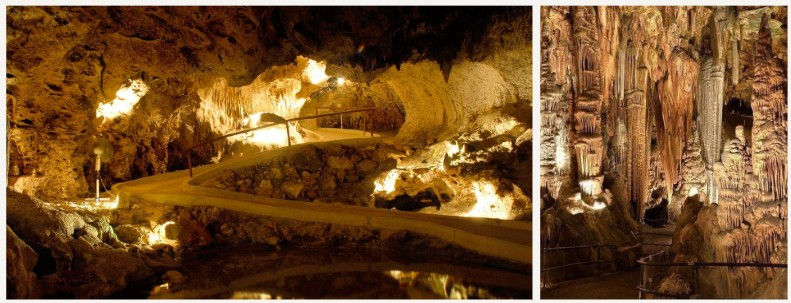
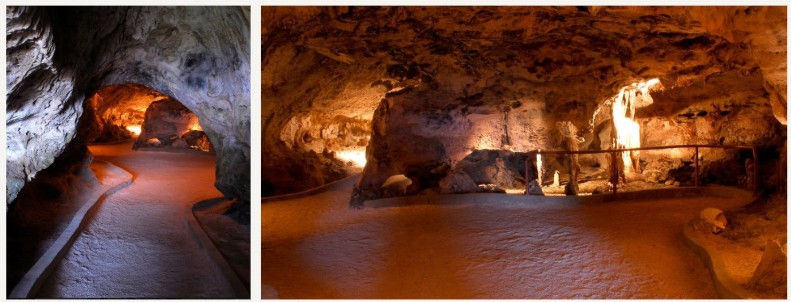
Life continues here today in quieter ways. Look up and you might spot Curaçao’s nectar-feeding bats, essential pollinators for the island’s night-blooming cacti. Guides ask visitors to keep voices low and avoid flash photography so the colony remains undisturbed, a reminder that the ecosystem is alive and not just a storied relic of the past.
The guided tour lasts about 45 minutes and follows a smooth, hand-railed path past stalactites, stalagmites, flowstone draperies and even a small waterfall. Look for the rock formations nicknamed the “Pirate’s Head,” “Sea Tortoise” and the serene “Madonna” figure that seems to glow in the cave lights. When you emerge, don’t rush off just yet. The site includes the short but worthwhile Indian Trail which is an easy loop through thorn forest and along boulders etched with more Caiquetio petroglyphs. There’s also a small cactus garden showcasing the hardy plant life that thrives in Curaçao’s arid climate.
Hato Caves are more than a tourist stop. They’re a living time capsule of Curaçao itself, allowing you to stand beneath a prehistoric reef, trace the art of the island’s first inhabitants and reflect on the courage of those who once sought shelter in its shadows. Though the tour is short, the impression it leaves is long lasting. Without question, one of the easiest and most meaningful half-day trips you can make on the island.


Comments